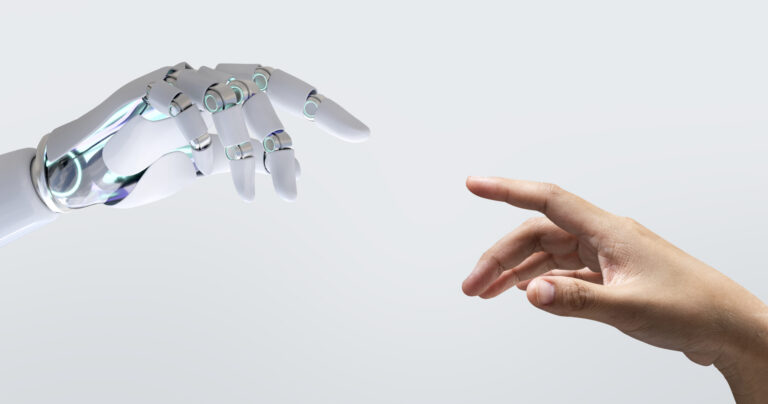
In today’s world, technology is moving faster than ever. AI-powered translation apps can instantly turn one language into another, making global communication feel effortless. At first glance, it may seem like human translators are no longer needed. Translation is more than swapping words, it’s about capturing meaning, emotion, and culture. And that’s where humans still make a difference.
With this rapid progress, many ask: Do we still need human translators in the age of AI translation?
The answer is yes — and a simple example from Indonesia proves why.
Case Study: An Indonesian Proverb
Indonesia has a rich tradition of proverbs that carry wisdom passed down through generations. One of the most famous is:
“Habis gelap terbitlah terang.”
When processed by AI translation, the result often comes out literally as: “After darkness, comes light.” At first glance, this seems accurate. The words are correct, and the sentence is understandable. But for English readers, the translation feels flat, incomplete, and stripped of cultural depth.
A human translator, however, recognizes the deeper meaning: the proverb is about resilience, hope, and the promise of better days after hardship. To convey this in natural English, the translator would choose an equivalent proverb: “Every cloud has a silver lining.”
This version resonates emotionally, preserves the intention, and delivers the same impact to the target audience.
This small difference highlights a big truth: AI can translate words, but humans translate meaning.
AI Translation vs Human Translators
Both AI and human translators bring unique strengths, but their differences matter depending on the context.
AI Translation:
- Fast and cost-effective.
- Useful for simple, everyday communication.
- Handles large amounts of text in seconds.
- But often struggles with cultural context, idiomatic expressions, or emotional nuance.
Human Translators:
- Slower than machines, but precise and adaptive.
- Understand cultural references, metaphors, and tone.
- Ensure the message sounds natural and persuasive in the target language.
- Build trust and connection beyond just words.
In short, AI communicates information, while humans create connection.
The Future: Collaboration, Not Competition
The future of translation isn’t about choosing between humans or machines, it’s about combining both. Many translators in Indonesia and around the world now use AI as a tool.
AI produces the first draft quickly, while human translators refine it through a process known as Machine Translation Post-Editing (MTPE). This workflow blends the speed of AI translation with the cultural awareness and accuracy of human expertise.
The result: communication that is not only understood, but also respected.
Final Thoughts
The mistranslation of “Habis gelap terbitlah terang” into a flat literal sentence reminds us of the limits of AI. In global industries like business, tourism, literature, and diplomacy, a message that misses its emotional mark can cost more than clarity, it can affect trust, reputation, and relationships.
AI translation is breaking down language barriers faster than ever. But only human translators can ensure that the message carries the right meaning, emotion, and cultural weight.
Planning to expand into Indonesia? Don’t rely on AI translation alone, contact Vy-Trans to partner with professional translators to ensure your message resonates and connects authentically with your audience.
 English
  Indonesian