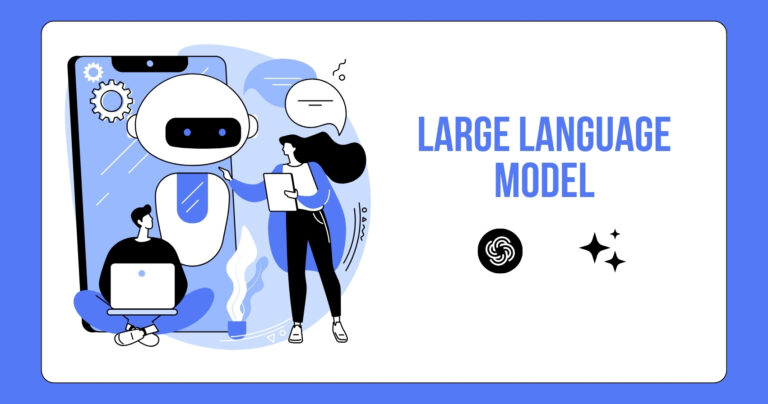
Large Language Models (LLMs) are advanced AI systems specifically designed to understand and generate human language, capable of tasks like translation, summarization, and text generation. They are a subset of Artificial Intelligence (AI), which is a broader field encompassing technologies that mimic human intelligence in areas like problem-solving, learning, and robotics. In other words, all LLMs are AI, but not all AI are LLMs.
In the context of translation, LLMs are gaining attention because they can produce text that is contextually relevant, fluent, and natural, potentially transforming workflows for document translation, subtitle translation, and content localization. But the question remains: are LLMs truly revolutionary, or are they just another tool in a translator’s toolkit?
How LLMs Are Used in Translation
LLMs are increasingly integrated into translation workflows to:
- Draft translations quickly: They generate first drafts, allowing translators to focus on refining quality rather than starting from scratch.
- Understand context and tone: LLMs capture idioms, slang, and stylistic nuances that traditional machine translation often misses.
- Maintain terminology consistency: Critical for large-scale projects or enterprise-level documents.
- Adapt content for cultural relevance: LLMs can help localize translations so they resonate with the target audience.
Advantages of LLMs in Translation
- Speed and efficiency: Ideal for projects with tight deadlines or high volume.
- Contextual awareness: Preserves tone, style, and nuance better than older MT tools.
- Scalability: Supports teams in handling multiple documents simultaneously.
Limitations of LLMs in Translation
Despite their promise, LLMs have some limitations:
- Accuracy: Translations may appear fluent but occasionally misinterpret meaning or context.
- Cultural nuance: Subtle cultural references or humor can be missed.
- Over-reliance: Using LLMs without human review can result in critical errors.
- Data security and confidentiality: Sensitive documents require caution when using online AI tools.
Conclusion: Game-Changer or Just Another Tool?
LLMs are not the end of the translator’s craft, but they are undeniably reshaping it. Rather than replacing professionals, they expand what’s possible, speeding up repetitive tasks, offering intelligent drafts, and supporting consistency across large-scale projects.
Yet, the essence of translation lies in judgment, empathy, and cultural sensitivity, qualities only humans bring. The future isn’t about choosing between humans and machines, but about combining their strengths.
For translators and agencies, the challenge is not whether to use LLMs, but how to integrate them wisely, balancing efficiency with quality, and automation with human expertise. Used this way, LLMs are not just another tool in the box; they’re drivers pushing the translation industry toward a smarter, more collaborative future.
 English
  Indonesian